NFPA 80 Fire Door Checklist: 13 Critical Points
Introduction
Your fire alarm system is tested. Your sprinklers are inspected. But what about your fire doors?
According to the Fire Door Inspection Scheme,
76% of fire doors fail professional inspections—often because property managers don't know what to look for. In Southern California, where the
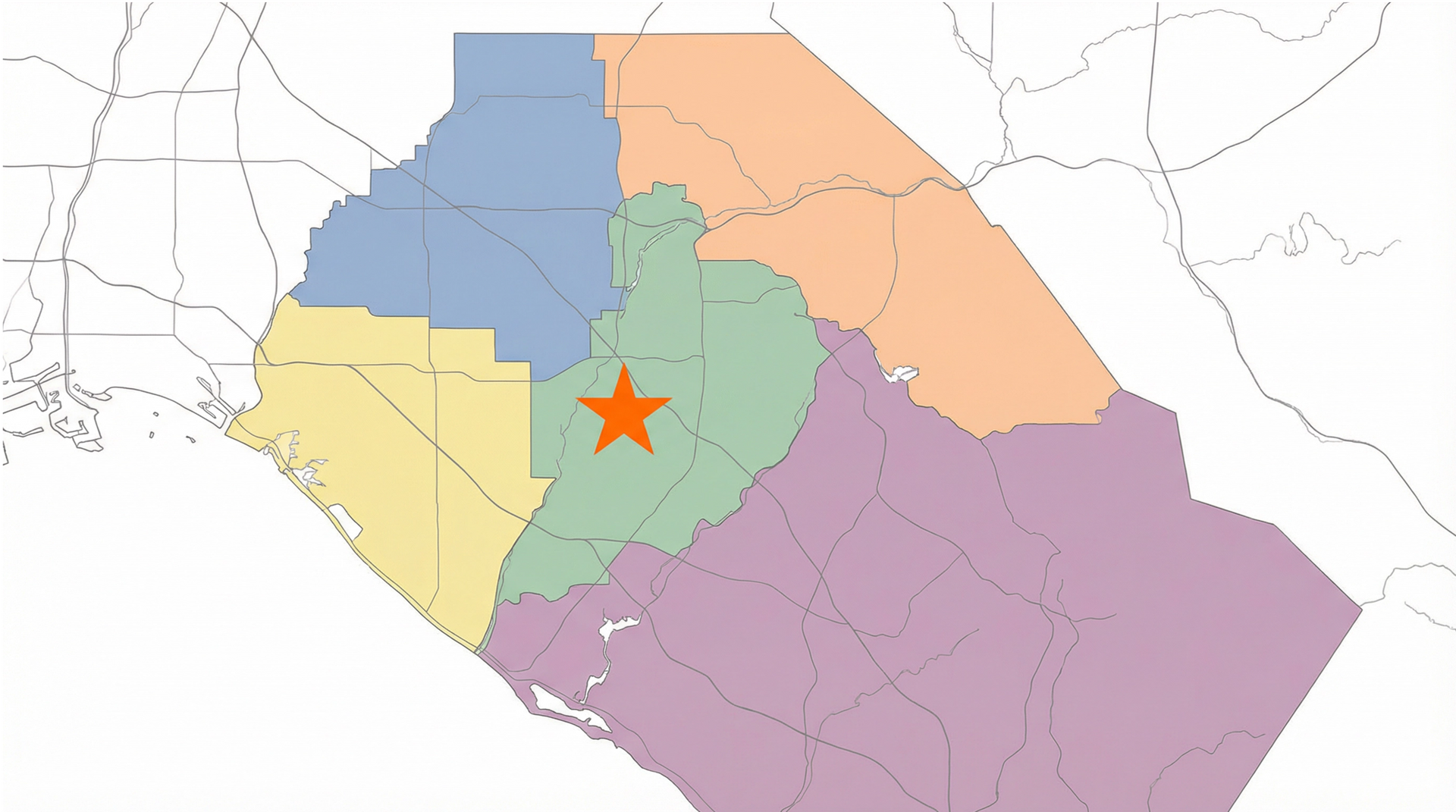
Orange County Fire Authority (OCFA) actively enforces
NFPA 80 compliance, a failed fire door inspection can result in fines ranging from $500 to $5,000 per violation.
NFPA 80, the Standard for Fire Doors and Other Opening Protectives, requires annual inspections using a comprehensive 13-point checklist. Understanding these inspection points isn't just about compliance—it's about protecting your property, your tenants, and your peace of mind. Whether you're managing office buildings in Irvine, retail centers in Mission Viejo, or healthcare facilities in Lake Forest, this guide will help you understand exactly what fire inspectors look for.
Understanding the NFPA 80 13-Point Inspection
NFPA 80 Section 5.2.4 mandates that all fire door assemblies be inspected annually by a qualified person. The standard specifies 13 critical inspection points that must be verified during each inspection. These points cover every component of the fire door assembly—from the door itself to the frame, hardware, and operational characteristics.
Think of a fire door like a chain: it's only as strong as its weakest link. A fire door assembly includes the door, frame, hinges, closer, latching hardware, seals, and glazing. If any single component fails, the entire assembly loses its fire-resistance rating.
The Complete 13-Point Checklist Explained
1. Labels Are Clearly Visible and Legible
Every fire-rated door must have a permanent label identifying the manufacturer, fire rating (typically 20, 45, 60, or 90 minutes), and testing laboratory. Without a visible, legible label, the door is considered non-compliant regardless of its actual condition. Never paint over, cover, or remove fire door labels.
2. No Open Holes or Breaks in Surfaces
The door and frame must be free from holes, cracks, breaks, or penetrations. Even small holes compromise the fire-resistance rating—a hole as small as a pencil eraser can allow deadly smoke to pass through. Repair any holes immediately using approved fire-rated patching materials.
3. Glazing and Vision Light Components Are Intact
If the door has fire-rated glass panels, the glass must be intact without cracks or chips, and glazing beads must be secure. Fire-rated glass is specifically designed to withstand high temperatures—regular glass will shatter in a fire. Replace damaged fire-rated glass only with properly rated glass from the door manufacturer.
4. All Components Are in Good Condition
The door, frame, hinges, hardware, and threshold must be in proper working order without excessive wear or damage. Damaged components may not perform as designed during a fire. Conduct regular visual inspections and replace worn components before they fail.
5. No Parts Are Missing or Broken
Every component that was part of the original fire door assembly must be present and functional. Fire doors are tested and rated as complete assemblies—removing or disabling any component can void the fire rating. Never remove components from fire doors, and replace broken parts immediately.
6. Clearances Meet Requirements
The gap between the door and frame must meet specific requirements—typically 1/8 inch at the top and sides, and up to 3/4 inch at the bottom. Excessive gaps allow smoke and flames to pass around the door. Measure gaps regularly and adjust hinges or install door sweeps as needed.
7. Self-Closing Device Works Properly
The door must close completely from any open position at a controlled speed without slamming. Test door closers monthly by opening the door fully and ensuring it closes completely and latches. Adjust closer speed and force as needed, and replace closers showing signs of hydraulic fluid leakage.
8. Positive Latching Device Functions
The door must have a latch that engages automatically when the door closes. A door that doesn't latch can be pushed open by fire pressure. Test latching by closing the door and attempting to push it open without turning the handle. Never prop doors open or disable latches.
9. Coordinator Is Operational (Double Doors)
For double doors, the coordinator ensures the inactive leaf closes before the active leaf, allowing both doors to latch properly. Test double doors to ensure they close in the correct sequence, and adjust or replace coordinators that aren't functioning properly.
10. Gasketing and Seals Are Intact
Intumescent seals (which expand when exposed to heat) and smoke seals must be present, intact, and properly installed around the door perimeter. These seals prevent smoke passage and expand during fire to seal gaps. Inspect seals regularly and replace damaged seals with manufacturer-approved components. Never paint over intumescent seals.
11. No Auxiliary Hardware Interferes
No unauthorized hardware or devices can prevent the door from closing or latching properly. Common culprits include kick-down door stops, unauthorized security bars, and non-approved electromagnetic locks. Only install hardware specifically approved for fire doors.
12. No Field Modifications Have Been Made
The door assembly must match its original tested configuration. Never drill holes, cut openings, or alter components without consulting the door manufacturer and obtaining proper approvals. Any unauthorized modification voids the fire rating.
13. No Obscuring Signs or Decorations
Required signage (such as "Fire Door – Keep Closed") must be present and visible. Decorations must not interfere with door operation or obscure required labels. Install required signage per NFPA 80 and prohibit decorations on fire doors.
Common Fire Door Failures in Southern California
Based on thousands of inspections across Orange County, these are the most common failures:
- Improper Door Closer Adjustment (45%) - Doors don't close fully or latch properly
- Excessive Gaps (32%) - Clearances exceed maximum allowances
- Damaged or Missing Seals (28%) - Seals damaged, painted over, or missing
- Propped Open Doors (23%) - Doors wedged open without approved mechanisms
- Missing or Illegible Labels (18%) - Labels painted over or damaged
All of these issues are preventable with regular monthly visual checks and prompt attention to problems.
Inspection Frequency Requirements
| Inspection Type | Frequency | Performed By |
|---|---|---|
| Initial Acceptance | After installation | Qualified person |
| Annual Comprehensive | Once per year | Qualified person |
| Monthly Visual | Monthly (recommended) | Facility staff |
| After Repairs | After repair work | Qualified person |
Frequently Asked Questions
How often do fire doors need inspection in California?
NFPA 80 requires annual inspections of all fire door assemblies. California Fire Code adopts this requirement, making annual inspections legally mandatory for all commercial properties.
Who can perform fire door inspections?
NFPA 80 requires a "qualified person" with knowledge, training, and experience with fire door assemblies. Most property managers use professional services with NICET certification for credibility and liability protection.
What happens if fire doors fail inspection?
Any door failing inspection must be repaired or replaced immediately. Continued operation of failed fire doors creates code violations subject to fines ($500-$5,000 per door), potential occupancy restrictions, and liability exposure.
Why Choose Professional Fire Door Inspections
While property managers can technically perform their own inspections if trained, most choose professional services for compelling reasons. Professional inspectors provide specialized NFPA 80 training and experience with thousands of doors, comprehensive documentation with photographs and detailed reports, liability protection through errors and omissions insurance, time efficiency for properties with many doors, and AHJ acceptance with recognized credentials like NICET certification.
For properties with many fire doors, professional inspections are often more cost-effective when considering training costs, staff time, liability risk, and the potential for fines if inspections are inadequate.
How Fire Testing Solutions Can Help
Fire Testing Solutions provides comprehensive fire door inspection services throughout Southern California. Our NICET-certified inspectors bring decades of combined experience and deep knowledge of OCFA requirements and California Fire Code.
Our Services Include:
- Complete NFPA 80 13-point inspections for all door types
- Detailed inspection reports with photographic documentation
- Clear identification of deficiencies and repair priorities
- Coordination with approved repair contractors
Schedule Your Fire Door Inspection Today
Don't wait for an OCFA inspection notice to discover fire door violations. Proactive inspections protect your property, your occupants, and your peace of mind.
📞
Call (866)-757-8378 to schedule your inspection
🌐
Visit
www.firetestingsolutions.com/
📧
Email
info@firetestingsolutions.com for a free quote
Conclusion
The NFPA 80 13-point fire door inspection checklist covers every critical aspect of fire door assemblies, from labels to latches. Understanding these requirements helps property managers maintain compliance and protect occupants. Remember that annual professional inspections are legally required by California Fire Code, common failures like improper closer adjustment and excessive gaps are easily preventable, and monthly visual checks by facility staff catch issues early.
With 76% of fire doors failing inspections, proactive compliance isn't just good practice—it's essential risk management. By understanding what inspectors look for and partnering with qualified professionals, you can ensure your fire doors pass inspection every time.
For comprehensive fire door inspection services throughout Southern California,
contact Fire Testing Solutions today. Our NICET-certified inspectors are ready to help you achieve and maintain full NFPA 80 compliance.




Is Your Santa Ana Property Ready for the NFPA 25 Five-Year Pipe Inspection? A Clear and Simple Guide